


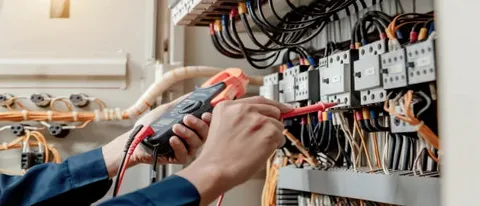
A home’s electrical panel rarely calls attention to itself until something feels off. People often sense the change before they know what’s causing it—lights react differently, breakers behave strangely, or a faint sound sparks concern. These signs matter because a panel under stress can shift from inconvenience to hazard faster than homeowners expect.
Breakers That Refuse to Reset After Tripping
A breaker that won’t reset is a clear signal of trouble inside the panel or the connected circuit. Breakers are designed to protect wiring, and refusing to reset often means there is an overload, a short, or thermal damage behind the scenes. This problem becomes more serious if the breaker keeps tripping immediately, which electrical contractors in Huntsville AL consider a top reason to stop attempting resets and call for help. An electrician in Huntsville AL may find melted internal components, deteriorated wires, or a failing breaker bus. Each of these issues puts nearby circuits at risk. Since the panel manages the entire home’s electrical load, ignoring a breaker that locks up can place the whole system under strain.
Sudden Dimming Across Multiple Rooms at Once
Lights dimming in several areas at the same time often point to a shared issue in the panel. This can happen when voltage drops suddenly due to loose connections, excessive demand, or internal overheating. If the dimming affects both large appliances and small fixtures, the panel may be struggling to regulate distribution. The concern grows when the dimming happens unpredictably or becomes more frequent. Electricians typically investigate the main lugs, breaker seating, and grounding connections, as these elements impact voltage stability across multiple rooms. Leaving this unchecked can cause premature wear on electronics and HVAC systems.
Loose Breakers That Wobble or Won’t Stay Seated
Breakers should snap firmly into place. A breaker that wiggles, shifts, or refuses to stay locked into the rail indicates a mechanical or structural defect. This can prevent the breaker from making a solid connection, causing heat buildup or intermittent power loss. Another red flag occurs when a breaker keeps sliding out after being pushed in. That movement can come from warping inside the panel or a damaged bus bar. Electrical services in Huntsville AL often treat this as an urgent problem because poor contact creates arcing risk—something homeowners should never attempt to fix themselves.
Unknown Circuits Labeled Poorly or Not Responding Correctly
Confusing or inaccurate labels might seem harmless until circuits don’t behave as the panel map suggests. If flipping a breaker shuts off the wrong room—or does nothing at all—it hints at wiring issues behind the panel. That uncertainty complicates repairs and hides problems that may be growing unnoticed. An electrical contractor will trace each circuit to verify what it controls and whether it routes through the panel correctly. Sometimes the issue turns out to be far more significant, such as circuits doubled up on single breakers or outdated wiring no longer meeting safety expectations.
Rust or Moisture Showing Inside or Around the Panel Enclosure
Moisture intrusion poses one of the biggest risks to electrical systems. Rust around screws, hinges, or the interior panel wall indicates prolonged exposure to humidity or water leaks. This is especially dangerous because moisture can corrode terminals, weaken breakers, and introduce pathways for short circuits.
Panels located in garages, basements, or exterior walls may develop condensation if not sealed properly. Electricians warn that even light rust can spread quickly inside a panel. Ignoring it can lead to equipment failure or dangerous overheating.
Unexpected Crackling Sounds Behind the Panel Door
Crackling or sizzling noises signal active electrical arcing. Arcing occurs when electricity jumps between loose or damaged connections, producing heat capable of starting fires. These sounds may appear faint at first but tend to grow louder as the problem escalates.
If the crackling coincides with flickering lights or breakers warming to the touch, the panel should be checked immediately. Electric companies near me often treat this as an emergency call because arcing is one of the most hazardous conditions a homeowner can encounter.
Outlets Losing Power Even When Breakers Appear On
Outlets going dead while breakers remain in the ON position suggests a deeper issue, often tied to damaged wiring feeding through the panel. This mismatch indicates that somewhere between the breaker and the outlet, the circuit has lost continuity. The problem may be inside the panel, where terminals loosen or contact points burn out.
Electricians see this frequently in older panels or panels overloaded by modern appliances. If multiple outlets behave this way, the damage may be spreading across circuits, requiring quick intervention to prevent further failure.
A Panel Making Intermittent Clicking Sounds
Panels do click occasionally when breakers trip, but irregular or repeated clicking without tripping is unusual. This noise often comes from breakers struggling to maintain contact or overheating internally. As components expand and contract with temperature shifts, the clicking becomes more noticeable.
Electricians in Huntsville AL often link intermittent clicking to aging equipment or failing breakers. It can also mean the panel is trying to compensate for fluctuating voltage, which puts the system at risk if ignored. Mister Sparky provides emergency diagnostics, full panel evaluations, and immediate repair services for homeowners who notice these warning signs.
