








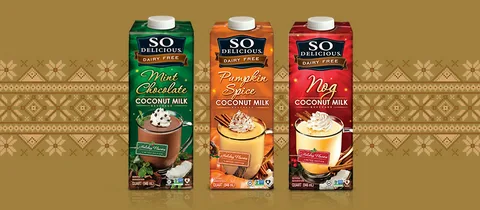
Holiday seasons drive massive sales spikes for food brands, but smart companies know that seasonal opportunities extend far beyond December. Strategic planning throughout the year can transform your business from feast-or-famine to steady growth. The key lies in understanding consumer behavior patterns and creating products that resonate with different celebrations and occasions.
Traditional holiday thinking limits brands to major events like Christmas, Easter, and Halloween. However, the calendar overflows with opportunities. Valentine’s Day, Mother’s Day, graduation season, back-to-school, and even lesser-known celebrations provide perfect launching points for seasonal offerings. Innovative products like freeze dried gummy bears can be repackaged with themed designs for virtually any occasion, creating fresh reasons for customers to purchase throughout the year.
Early planning separates successful seasonal campaigns from rushed disasters. Leading brands begin development 6-12 months before target holidays, allowing time for recipe testing, packaging design, production scaling, and marketing preparation. This timeline ensures products hit shelves when consumer interest peaks rather than arriving late when competitors already dominate shelf space. Production schedules must account for manufacturing capacity, ingredient availability, and distribution logistics.
Limited edition positioning creates urgency that drives purchases. When consumers know products won’t be available year-round, they’re more likely to buy immediately rather than postpone. This scarcity principle works across demographics and product categories. Seasonal packaging with holiday-specific colors, graphics, and messaging reinforces the limited-time nature while making products stand out in crowded retail environments.
Gift-giving occasions represent goldmine opportunities. Products positioned as perfect gifts naturally attract buyers seeking convenient solutions. Special packaging designed for gifting – such as boxes, tins, or decorative bags – eliminates the need for additional wrapping. Multi-packs or variety assortments cater to people buying for multiple recipients. Premium positioning during gift seasons allows brands to charge higher prices while delivering perceived value.
Regional and cultural celebrations deserve attention beyond mainstream holidays. Brands that acknowledge diverse celebrations connect with specific communities while differentiating themselves from competitors. Diwali, Lunar New Year, Cinco de Mayo, and Juneteenth each offer opportunities for thoughtful product adaptations. Understanding cultural celebration traditions helps brands create authentic connections rather than superficial marketing gestures.
Weather-based seasonality extends beyond traditional holidays. Summer creates demand for refreshing flavors and portable snacks perfect for outdoor activities. Fall brings cravings for warming spices and comfort foods. Understanding these patterns allows brands to shift flavor profiles and product formats throughout the year, keeping offerings fresh and relevant.
Retail partnerships amplify seasonal success. Collaborating with stores on special displays, promotional pricing, and featured placement boosts visibility during key periods. Providing retailers with ready-made display materials and clear merchandising guidelines makes their jobs easier while ensuring products are presented effectively. Many successful brands offer retailer-exclusive seasonal varieties that build stronger partnerships.
Post-holiday clearance strategies protect profitability. While some inventory naturally sells through, excess seasonal products need clear disposition plans. Discounting immediately after holidays moves remaining stock before it becomes truly dated. Some brands donate excess inventory to food banks, generating goodwill while qualifying for tax benefits. Others repurpose seasonal overstock by repackaging for off-season discount channels.
Digital marketing extends seasonal campaign reach cost-effectively. Social media allows brands to build anticipation before products launch, then sustain momentum throughout selling periods. User-generated content featuring seasonal products provides authentic endorsements that resonate with potential buyers. Email campaigns targeting previous seasonal purchasers generate repeat business with minimal acquisition costs. Following digital marketing best practices ensures campaigns achieve maximum impact across platforms.
Data analysis transforms seasonal strategies from guesswork to science. Tracking sales patterns, customer demographics, and promotional effectiveness reveals what works and what doesn’t. Year-over-year comparisons identify growth opportunities and declining trends. This intelligence informs future product development, ensuring resources focus on highest-potential opportunities.
The most successful brands view seasonal products not as occasional experiments but as core business strategy. Consistent execution builds customer anticipation for annual releases while creating multiple revenue peaks throughout the year. By expanding beyond traditional holidays and planning strategically, food brands can maximize sales potential every season while building deeper connections with consumers who eagerly await their next limited-edition offering.


